
Your alarm goes off. You hit snooze or you don't. Decision one — but you weren't really deciding. Your hand moved before your conscious mind even registered the choice. You get out of bed or you scroll. You drink water first or reach for coffee. You make your bed or leave it. You check your phone or you don't. By the time you finish breakfast, your brain has made approximately 47 decisions. You were consciously involved in maybe 2 of them.
This isn't a failure. It's how your nervous system is designed to work. Your conscious mind would burn out in minutes if it had to actively choose every single action. So your brain outsourced most decisions to your subconscious — the part that runs on autopilot, following scripts that your nervous system wrote based on years of repetition.
The problem isn't that your brain works this way. The problem is that you think your conscious decisions matter more than your unconscious patterns. You think awareness changes behavior. You think understanding why you procrastinate will stop you from procrastinating. You think knowing you check your phone compulsively will make you stop checking it.
But that's not how your brain actually works.
If you've ever felt like you're watching yourself repeat the same patterns despite knowing better, you're not alone. Most people think awareness changes behavior. It doesn't. What actually rewires your autopilot is something much simpler — and much more powerful. I've spent years collecting resources and frameworks that explain exactly how this works and how to interrupt it. Everything I've found most useful is here.
Explore Here →
The 95% Rule — Why Your Conscious Mind Is A Passenger
Neuroscience is pretty clear on this: approximately 95% of your behavior is driven by your subconscious mind. That's not an exaggeration. That's your nervous system running the show while your conscious mind sits in the passenger seat telling itself it's driving.
Your subconscious mind isn't stupid. It's just not concerned with your intentions. It's concerned with patterns. It observes what you repeatedly do and builds a model of who you are based on behavioral evidence. When you hit snooze five days a week, your nervous system doesn't care that you consciously want to be someone who wakes up early. It catalogs the evidence: person who hits snooze. When you leave dishes in the sink every night, your subconscious doesn't care that you think you should be more organized. It registers: person who doesn't maintain their environment.
This is where the gap between knowing and doing actually comes from. It's not a willpower problem. It's not a motivation problem. It's not that you're lazy or broken or lacking discipline. It's that your conscious understanding of who you want to be is fighting against your subconscious evidence of who you actually are.
Your conscious mind can have all the insights it wants. It can understand exactly why you procrastinate. It can recognize your patterns. It can set perfect goals and make brilliant plans. But if your actual behavior — the thousands of tiny choices your nervous system is making automatically — doesn't align with that conscious vision, your subconscious mind wins every time.
Because your brain believes behavior over thoughts. Your nervous system believes what you do, not what you say you're going to do.

Pattern Recognition — How Your Brain Built Its Autopilot
Your subconscious mind is essentially a pattern-recognition machine. It's constantly collecting data about your behaviors, your environment, your responses to situations, and your outcomes. Over time, it builds neural pathways — literally physical structures in your brain — that allow it to execute complex behaviors without conscious input.
This is actually brilliant. If you had to consciously think about walking, you'd fall over. If you had to consciously remember how to tie your shoes every morning, you'd never leave the house. Automation is how humans accomplish anything.
The problem is that your brain doesn't distinguish between "useful autopilot" (like knowing how to walk) and "limiting autopilot" (like automatically reaching for your phone whenever you feel bored or anxious). Both follow the same neural pathway logic. Both are patterns your nervous system recognized and then automated.
Here's how it works: You encounter a situation. Your nervous system has a response — reaching for your phone when you feel uncomfortable, procrastinating when a task seems difficult, checking your email obsessively when you're anxious. That response gives you a small reward: distraction, temporary relief, a sense of "doing something." Your brain registers that connection and strengthens the neural pathway. Next time you encounter a similar situation, your nervous system is more likely to activate that same response. Repeat this enough times and the pathway becomes automatic. You're no longer choosing to reach for your phone when you're uncomfortable — your nervous system is just executing the program you've trained it to run.
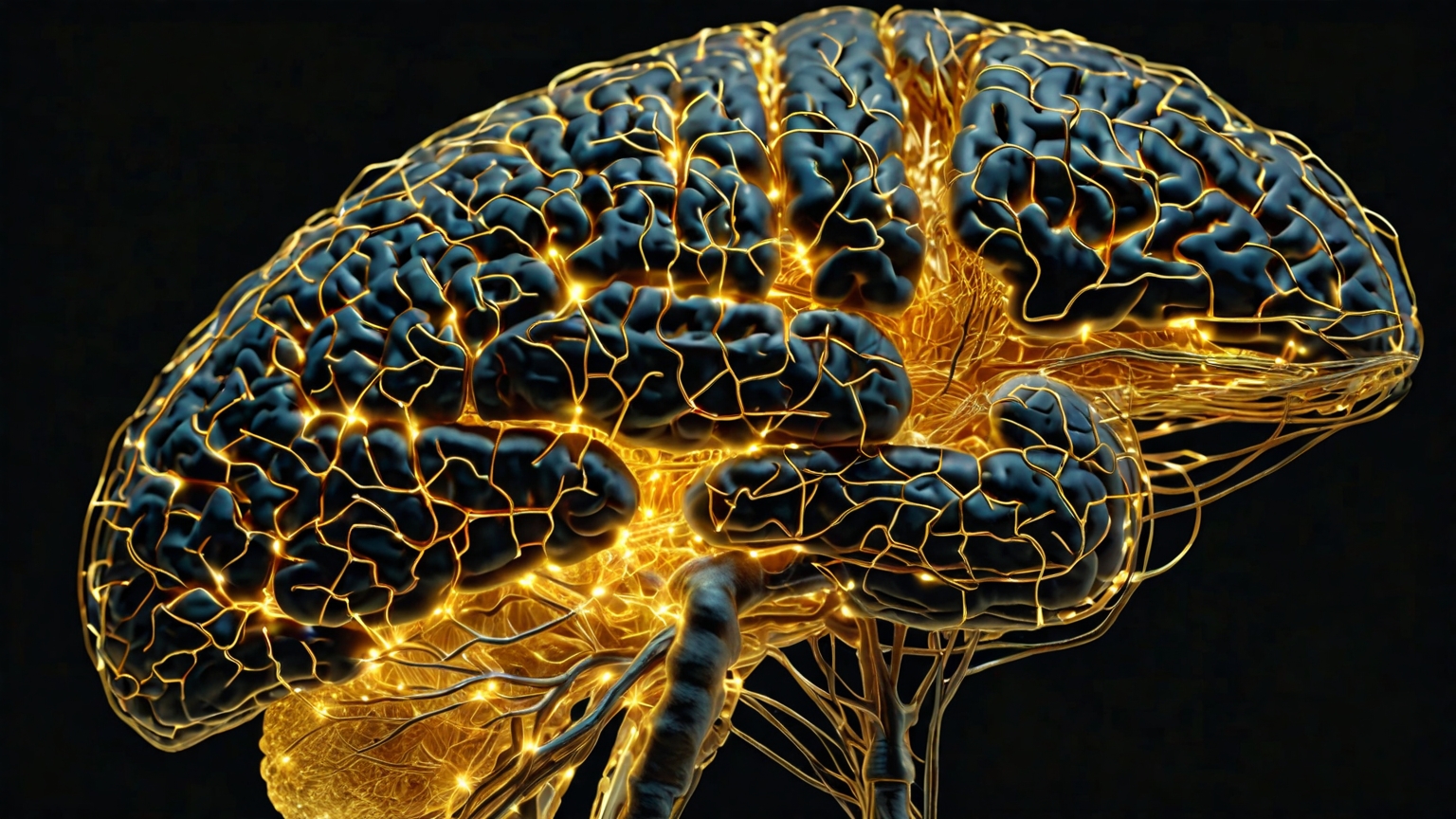
The script your nervous system is running wasn't written consciously. It was written through repetition. Through the accumulated weight of small choices you made without thinking about them, or made for reasons that made sense at the time — using your phone to escape a difficult conversation, procrastinating on a project because you were overwhelmed, eating when you were stressed. Your nervous system learned those patterns worked. They gave you some kind of relief. So it automated them.
Now those automated patterns are running your life. And they feel automatic because they are. Your conscious mind doesn't even see them happening.
Rewiring The Program — Small Interruptions, Big Shifts
Here's what changes everything: understanding that the script can be rewritten. Not through willpower or motivation or perfect systems. But through pattern interruption.
Pattern interruption is simple: it's inserting a different behavior into the moment when your nervous system usually runs its automatic script. Instead of checking your phone when you feel bored, you pause and take three conscious breaths. Instead of leaving your coffee cup wherever you finish it, you wash it immediately. Instead of responding reactively to a text, you wait five minutes and respond thoughtfully.
These actions feel insignificant. They're so small that your conscious mind dismisses them. But that's exactly why they work. Your nervous system doesn't distinguish between small and meaningful actions. It just catalogs patterns. Every time you choose a different action in a moment that usually runs on autopilot, you're providing evidence for a new script.

Small pattern interruptions work because they're sustainable. You can't sustain heroic willpower. You can't maintain a completely overhauled identity overnight. But you can make one small different choice in a moment where you usually run on autopilot. And you can repeat that small choice tomorrow. And the day after that.
Over time, your nervous system builds a new neural pathway. The new behavior becomes automated. Your identity gradually shifts because your behavioral evidence has shifted. You're no longer the person who checks their phone compulsively — you're becoming the person who pauses before reaching for it. You're no longer the person who leaves dishes — you're becoming the person who washes things immediately. You're no longer the person who responds reactively — you're becoming the person who thinks before speaking.
This is how lasting identity change actually happens. Not through big transformations or dramatic decisions. But through accumulated micro-evidence from small, repeated, conscious choices that gradually reshape what your nervous system believes about who you are.
Here's where most people get stuck: they understand their patterns perfectly but keep repeating them anyway. The insight doesn't change the autopilot. What changes it is something completely different — something you can start doing tomorrow in moments so small you'll almost miss them. I've documented the entire framework for how this actually works in practice. It's the difference between understanding and transformation.
Explore Here →The Self-Help Trap — Why Awareness Alone Changes Nothing
Most self-help content operates under a false assumption: that understanding yourself will change your behavior. That awareness equals transformation. That if you just recognize your patterns clearly enough, you'll naturally stop repeating them.
This is why so much personal growth work fails. You can have profound insights about why you procrastinate. You can understand exactly what your triggers are. You can recognize your patterns so clearly that you feel like you should be different now. But then you sit down to work and you procrastinate anyway. Because awareness doesn't override a neural pathway. Understanding doesn't change automation.
What actually changes behavior is evidence. New behavioral evidence. Your nervous system doesn't care about your insights. It cares about what you actually do. Every time you have an insight but continue with the same behavior, you're actually reinforcing the old pattern. You're sending a message to your nervous system: "I understand this intellectually, but I'm still going to do the same thing anyway. So apparently this pattern still works for me."

This is the self-help trap: spending energy on understanding, reflection, and insight while your actual behaviors remain unchanged. Your subconscious mind looks at the evidence and concludes: "They understand themselves. They still procrastinate. So procrastination must still be the right strategy."
The shortcut isn't more awareness. It's different behavior. Different evidence. Your nervous system will update its model of who you are when your actions change, not when your understanding changes.
Your Audit — What Script Are You Running?
Right now, your nervous system is running a script. It's a collection of automated patterns that you've trained into existence through years of repetition. Some of those patterns serve you. Some of them are holding you back.
The question isn't whether you can change. The question is whether you're willing to interrupt the pattern and provide your nervous system with new evidence.
This doesn't require heroic transformation. It doesn't require overhauling your entire life or becoming a different person overnight. It requires noticing one moment where your nervous system usually runs on autopilot and choosing something different. Just one. Just once. And then doing it again tomorrow.
Make your bed instead of leaving it. Wash your dishes instead of leaving them. Put your phone away before sitting down instead of having it in your lap. Respond thoughtfully instead of reactively. These tiny choices feel insignificant. They are significant. They're votes for a different identity. Evidence for a different script. Proof to your nervous system that you're someone who can interrupt patterns and choose differently.

Your brain will notice. Your nervous system will update its model. And over time, the new pattern will become automated. The new identity will feel natural. Not because you tried hard enough or finally understood yourself deeply enough, but because your accumulated behavioral evidence created a new script.
The only person running your autopilot is you. And the only person who can interrupt it is you. Not through perfect understanding. But through small, repeated, conscious choices that provide new evidence for who you're becoming.
Your autopilot is running a script right now. Some parts of it serve you. Some parts don't. The beautiful thing is — you can rewrite it. Not with more willpower or better understanding, but with small conscious choices in moments you usually run on autopilot. I've spent the last few years building a complete system for how to do this, from recognizing your patterns to actually interrupting them. Start small. Start tomorrow morning. Watch what changes.
Explore Here →What is one moment in your morning where your nervous system usually runs on autopilot — and what would it look like to choose something different there, just once?