Most transformation advice makes it sound like change happens in dramatic moments—breakthrough realizations, life-altering decisions, complete overhauls of everything you do.
Your brain doesn't distinguish between big decisions and small ones when it comes to rewiring itself. Every choice you make—whether you pause for two seconds before responding to a text, choose to breathe deeply at a red light, or automatically reach for your phone the moment you feel bored—is a micro-rewiring session. The neural pathway you strengthen in that moment becomes slightly more automatic the next time you encounter the same situation. These aren't just habits forming; they're subconscious programs updating in real-time.
Most people focus on the grand gestures while missing the thousands of micro-decisions that actually shape their automatic responses. You can meditate for twenty minutes in the morning and still spend the rest of the day unconsciously reinforcing patterns of reactivity, distraction, and avoidance through countless small choices. The meditation feels significant because it's intentional and time-bound, but your brain is equally influenced by whether you check your phone immediately after or sit quietly for thirty more seconds.
The fascinating part is how your subconscious treats these micro-moments. To your neural networks, the choice to take one conscious breath before opening your laptop has the same pattern-reinforcing power as choosing to completely restructure your morning routine. Both are data points that either strengthen existing automatic responses or slowly create new ones. Your brain doesn't weigh the importance or drama of the decision—it simply notices what you chose and makes that choice slightly more likely next time.
Something shifts when you realize every small choice is rewiring your brain in real-time. Most people miss this completely.
Explore Here →
The Subconscious Doesn't Recognize Small vs. Big
Your subconscious mind operates like a pattern-recognition system that never sleeps. It's constantly scanning your choices and behaviors, looking for consistency, and then making those consistent patterns more automatic over time. What most people don't realize is that this system doesn't have a hierarchy for which decisions matter more. The choice to scroll through social media when you feel restless gets the same neural reinforcement as the choice to call a friend when you feel lonely.
Think about the last time you felt anxious or overwhelmed. In that moment, your brain presented you with several automatic options—maybe checking your phone, grabbing a snack, zoning out, or going for a walk. Whichever option you chose became slightly more automatic for the next time you feel that same internal state. Your subconscious filed away that decision as "what we do when we feel this way" and prepared to make it the default response.
This is happening constantly, beneath your awareness. Every micro-choice is essentially a vote for the kind of person you're becoming and the automatic responses you'll have available in future moments. When you pause for two seconds before reacting to something that irritates you, you're literally strengthening neural pathways of conscious response. When you automatically reach for distraction the moment you feel uncomfortable, you're reinforcing patterns of avoidance.
The power in understanding this is that you don't need to overhaul your entire life to create different automatic responses. You just need to start noticing the micro-decisions and occasionally choosing differently. Your brain will adapt to whatever you consistently choose, whether those choices feel significant or not. The cumulative effect of small, conscious choices over weeks and months can completely reshape your automatic behavioral repertoire.

Automatic Responses Form in Mundane Moments
The moments that shape your automatic responses aren't the ones you'd expect. They're not the times when you're actively working on personal growth or making conscious efforts to change. They happen in the completely ordinary moments when your guard is down and you're just living your life—waiting in line, transitioning between activities, feeling slightly bored or restless.
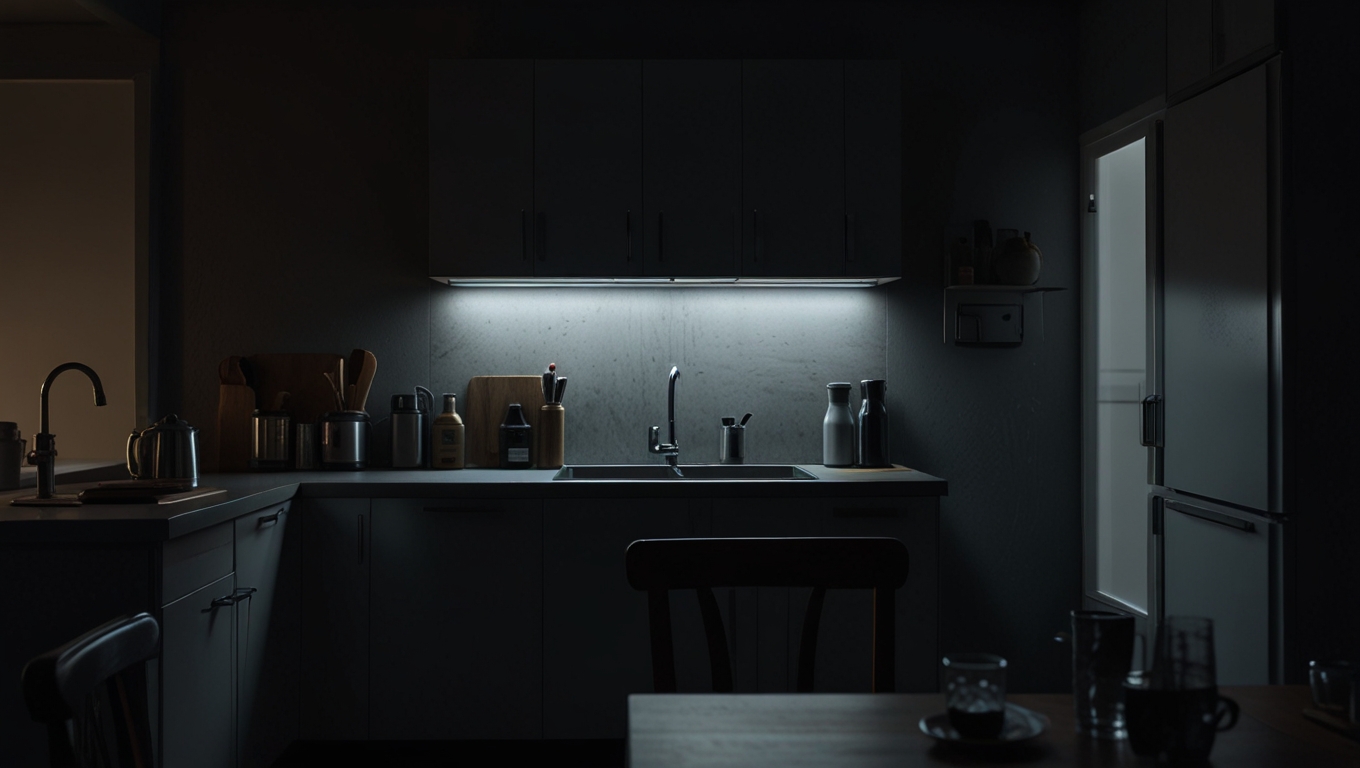
These mundane moments are actually when your subconscious is most actively programming itself. When you're not focused on being intentional or mindful, your brain defaults to whatever feels most familiar and effortless. The choice you make when standing in your kitchen, feeling slightly hungry but not really needing food, becomes data about how you handle mild discomfort. The way you respond when someone interrupts you while you're concentrating becomes part of your automatic social programming.
What makes this particularly interesting is that these micro-moments often involve the same internal states that trigger your bigger patterns. The slight restlessness you feel waiting for an elevator is the same energy that might lead to mindlessly scrolling social media for an hour later. The momentary irritation when you can't find your keys is the same emotional state that might escalate into an argument with someone you care about. How you handle the small version teaches your brain how to handle the bigger version.
Most people try to change their patterns by focusing on the dramatic moments—the times when they're clearly struggling or when the stakes feel high. But those moments are actually when your automatic responses are strongest and least flexible. The real rewiring happens in the quiet moments when you have just enough space to choose differently without it feeling like a big deal.
I used to think change required dramatic action until I noticed how choosing my response to small moments was quietly reshaping my automatic patterns. These resources helped me see what was actually happening beneath my awareness.
Explore Here →
The Invisible Accumulation of Neural Votes
Every micro-choice you make is like casting a vote for a version of yourself. These votes accumulate over time, and eventually, the version with the most votes becomes your automatic identity—the person you are without trying to be anyone in particular. The fascinating part is that most of these votes are cast unconsciously, in moments so small they don't register as significant.
Consider the person who consistently chooses to take one conscious breath before checking their phone. After weeks of this micro-choice, their automatic response to feeling the urge for digital stimulation includes a moment of awareness. They didn't set out to become a more mindful person through dramatic practice—they just consistently made a tiny choice that rewarded their brain for pausing. Eventually, the pause becomes automatic, and they find themselves naturally more present without effort.
This process works in reverse too. The person who consistently reaches for their phone the moment they feel any internal discomfort is unknowingly training their brain that discomfort equals immediate escape. Over time, their automatic response to any challenging emotion becomes avoidance, and they find themselves unable to sit with difficult feelings even when they want to. The accumulation of micro-choices has created an automatic response system they never consciously chose.
The power in recognizing this process is that you can start participating in it intentionally. You don't need to overhaul every aspect of your behavior—you just need to start noticing the micro-choices and occasionally voting for a different version of yourself. These votes might feel insignificant in the moment, but they compound over time into fundamental shifts in how your brain automatically responds to life.
Your brain is constantly updating its programming based on what you consistently choose. The question isn't whether this process is happening—it's happening whether you're aware of it or not. The question is whether you want to participate consciously in programming your own automatic responses, or continue letting them form by default based on whatever feels easiest in each micro-moment.

The Compound Effect of Barely Noticeable Changes
The changes that reshape your automatic responses happen so gradually that you barely notice them forming. This is both why they're so powerful and why they're so easy to miss. Your brain doesn't announce when it's updated its programming—it simply starts offering different automatic options in familiar situations, and you might not realize anything has shifted until someone else points it out or you find yourself responding differently without trying.
Someone might consistently choose to pause for three seconds before responding to stressful emails. After months of this micro-practice, they notice that they naturally feel calmer during difficult conversations, even ones that have nothing to do with email. The tiny choice to pause before typing has rewired their automatic response to pressure in general. Their nervous system has learned that it's safe to take a moment before reacting, and this new pattern has generalized to other areas of their life.
The compound effect works because your subconscious mind is incredibly efficient at pattern recognition and generalization. When you consistently choose awareness over automaticity in one small area, your brain starts offering that same choice in related situations. The person who practices pausing before checking their phone starts naturally pausing before making other impulsive decisions. The micro-change creates a template that your brain applies broadly.
This is why focusing on micro-decisions can be more effective than trying to change everything at once. When you attempt massive overhauls, you're essentially asking your brain to update hundreds of automatic programs simultaneously. Most brains resist this kind of dramatic change and default back to familiar patterns. But when you consistently make tiny choices that align with who you want to become, your brain gradually updates its automatic responses without triggering resistance.
The compound effect also explains why people can feel like nothing is changing even when they're making consistent micro-choices. The changes are happening at a level below conscious awareness, rewiring automatic responses that you won't notice until you're in a situation that would have previously triggered old patterns. You might realize you haven't felt the urge to check social media when bored, or that you naturally take deeper breaths during stressful moments, or that you automatically pause before reacting when someone criticizes you.

Beyond Willpower Into Automatic Programming
The most sustainable changes happen when you move beyond willpower and start working with your brain's natural tendency to automate repeated behaviors. Willpower is a conscious effort that requires energy and attention, which is why it's unreliable for creating lasting change. But when you understand how micro-decisions program automatic responses, you can create change that doesn't require ongoing effort because it becomes part of your brain's default programming.
This shift happens when you stop trying to force yourself to be different and start making tiny choices that allow different patterns to emerge naturally. Instead of using willpower to meditate for thirty minutes every day, you might consistently choose to take three conscious breaths when you first wake up. Instead of forcing yourself to eat perfectly, you might consistently pause for two seconds before eating anything to check if you're actually hungry. These micro-choices don't require sustained motivation because they're so small they barely register as effort.
Over time, these tiny consistent choices accumulate into automatic responses that feel natural rather than forced. The person who consistently pauses before eating develops automatic body awareness around food. The person who consistently takes conscious breaths when they wake up develops an automatic relationship with mindfulness that doesn't require remembering to be mindful. Their brain has learned to offer awareness as an automatic option.
What makes this approach particularly effective is that it works with your brain's existing systems rather than against them. Your subconscious mind wants to automate behaviors—that's its job. When you give it small, consistent choices to automate, it eagerly creates new programs that serve you better than the old ones. You're not fighting your brain's tendency to create automatic responses; you're directing it toward responses you actually want.
The goal isn't to eliminate automatic responses—that's neither possible nor desirable. The goal is to program automatic responses that align with who you want to be rather than letting them form haphazardly based on whatever feels easiest in each moment. When your automatic responses serve your deeper intentions, you can live more authentically without needing constant self-management or willpower.
Your brain is going to create automatic responses whether you participate in the process or not. The micro-decisions you make in mundane moments are quietly voting for the kind of automatic responses you'll have available in future challenges, relationships, and opportunities. The question is whether you want to influence that vote or let it happen by default.
Most people underestimate the power of barely noticeable changes because they associate transformation with dramatic shifts and intense effort. But your subconscious mind is constantly updating based on consistency, not intensity. The smallest choices, made consistently over time, can rewire automatic responses more effectively than sporadic bursts of major change. You don't need to overhaul your life—you just need to start noticing the micro-moments and occasionally choosing differently.
Ready to work with your subconscious instead of against it? The patterns you want to change are built from thousands of tiny decisions — and that's exactly where the real work begins.
Explore Here →