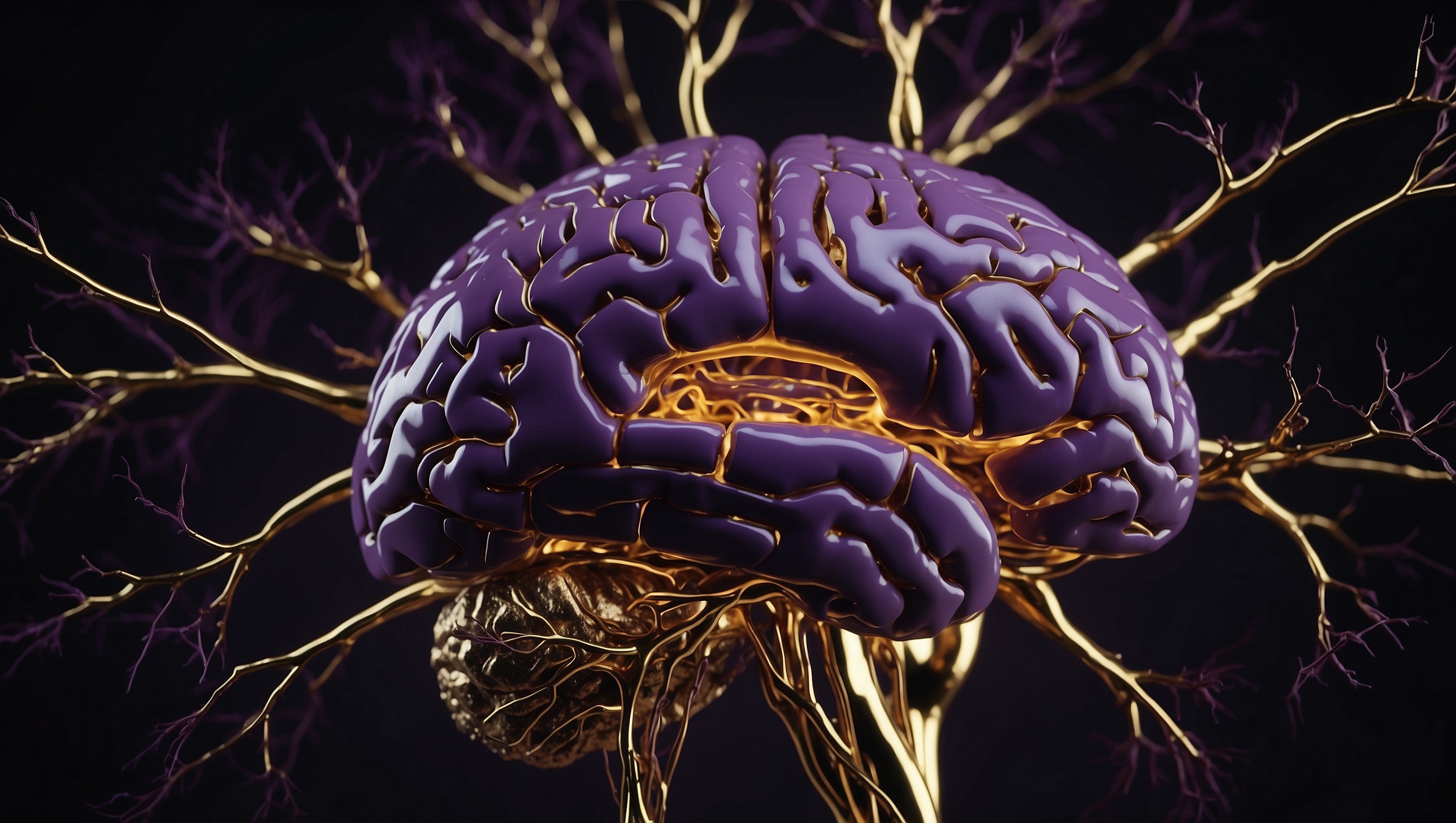
You woke this morning and made a mistake — small, insignificant. By now you've forgotten it. But somewhere in your brain, a record of that failure is being filed away, cross-referenced, and flagged for future threat detection. Meanwhile, the three things you did right? Already archived and irrelevant. Your brain isn't broken. It's just running ancient survival software on modern life.
You understand how this works now. Awareness without direction is just frustration. There's a framework that helps people rewire this pattern. It starts with one small shift.
Explore Here →The Evolutionary Origin
Your brain evolved not in our world of emails and social media, but in a world where a single mistake meant death. If your ancestor ignored a rustling bush, they died. If they missed a berry patch, they ate something else. Natural selection rewarded hypervigilance to threat and weak attachment to reward. Over millions of years, that asymmetry became hard-wired.
Modern neuroscience calls this the negativity bias or negativity dominance effect. The evidence is overwhelming: negative information processes faster. Threats capture attention quicker. Threats stick in memory longer. Threats generate stronger physiological responses. In controlled studies, a single negative experience reliably overshadows multiple positive ones — ratio of 3-to-1 minimum, often 5-to-1 or higher.
This isn't character weakness. This isn't pessimism. This is neurobiology. You were built this way. The problem isn't that you're broken — it's that you're running obsolete software in an environment where that software creates chaos.

How Negativity Hijacks Your Identity
Here's where it gets dangerous: your identity isn't built through conscious choice — it's built through repetition and memory. And if your memory system is weighted 5-to-1 toward negative experiences, your sense of self becomes 5-to-1 weighted toward incompetence, failure, and threat.
You give one presentation. Ninety-five percent goes smoothly. One section doesn't land. Which version gets encoded? Which gets rehearsed? You're not "someone who gave a good talk" — you're "someone who fumbled that part." The negative episode becomes the defining narrative because your brain operates from a threat-detection mandate.
This compounds over years. Every criticism, every mistake gets filed into your threat database. Every compliment, every success gets filed away and forgotten. You develop a self-concept that's statistically inaccurate but neurologically inevitable. You believe you're more broken than you are because your brain is literally showing you a distorted, threat-weighted mirror of reality.
The irony: you're not pessimistic. You're remembering what your brain decided was important. You're not unmotivated. You're responding to the data your nervous system prioritizes. The problem isn't you — it's the mismatch between ancient threat-detection and contemporary life.

This isn't about toxic positivity or forced gratitude — that fights neurobiology and loses. The shift is awareness plus deliberate reprioritization. Flag what your brain automatically filters. Give positive experiences the encoding weight your brain gives to threats. It's not quick. It's systematic. And it works.
Explore Here →The Cost of Unexamined Negativity Bias
When negativity bias runs unchecked, consequences accumulate quietly. In relationships, you remember the argument more vividly than five good conversations. Your partner makes one insensitive comment — it outweighs months of attentiveness. You're not being dramatic. You're experiencing your brain's weighting system. Gratitude gets filtered as irrelevant.
In work, negativity bias manifests as perfectionism and imposter syndrome. You receive feedback: seven compliments, one suggestion. Which one defines your confidence? Which one shapes your self-concept? The single criticism now defines how you see yourself as creator or professional, regardless of evidence.
In personal development, it creates a trap: you change, make progress, have a setback, and the setback retroactively erases progress in your narrative. You become "someone who always fails at change" — not because you fail, but because your brain systematically overweights failures and underweights wins.
The deepest cost is existential. You live in a self-generated threat narrative that doesn't match your actual life. You're not failing more than others. You're not less competent. You're not defective. But you believe these things because your threat-detection system has been filing away danger and discarding safety since childhood.

The Recalibration
Recalibrating doesn't mean eliminating caution. Threat-detection is still necessary. What changes is the ratio. What changes is deliberate insertion of your conscious mind into a process your unconscious mind has been automating.
Step 1: Labeling. When you notice ruminating, rehearsing failure, fixating on criticism, pause and name it: "This is my negativity bias. My brain is doing what it evolved to do. This is not the whole truth." The pause itself is recalibration. You create space between automatic threat-weighting and automatic belief.
Step 2: Compensatory encoding. Actively flag positive and neutral experiences. When something goes well, handle something skillfully, receive kindness — consciously encode it. Write it. Say it. Tell someone. Interrupt automatic filtering and give your brain explicit permission to remember what it's wired to forget.
Step 3: Pattern recognition. Over weeks, notice the gap between your threat-weighted narrative and actual behavior. You're competent, resilient, kind in situations where bias said you'd fail. Relationships survive disagreements. Mistakes become learning. Evidence accumulates. Self-concept slowly, imperceptibly shifts.
None of this denies legitimate problems. It restores informational balance to your self-perception. It consciously overrides a system never built for modern life.

What Changes When You Recalibrate
When you consciously work against negativity bias, small things shift first. Conversations feel less heavy with past arguments. Feedback stings less. You make mistakes without updating your entire self-concept. You notice your own competence.
Relationships deepen because you're remembering affection, not just conflicts. Work becomes less suffocating because you hold both criticism and compliments simultaneously. Your internal monologue becomes slightly less hostile. You're not suddenly positive — you're balanced. You're restoring truth.
The deeper shift is identity. When your self-concept stops being disproportionately weighted toward threat and failure, you make different choices. You attempt things because your database isn't exclusively screaming "danger." You invest in relationships because evidence for connection becomes less invisible. You grow because setbacks stop being total erasures.
The paradox: by accepting your brain's ancient bias, you transcend it. You stop fighting neurobiology and start working with it deliberately. You become someone with access to the full data set of your life — not just the threat-weighted subset.

Your brain was built for survival, not thriving. But you're not stuck with default settings. You can rewire bias. Restore balance. Stop mistaking threat-detection for truth. It starts with awareness, then one small deliberate choice to encode what you'd normally filter. Your past doesn't predict capacity. Your mistakes don't define you. Your brain's ancient settings don't run your story.
Explore Here →What would shift if your brain held your wins with the same weight it holds your failures?