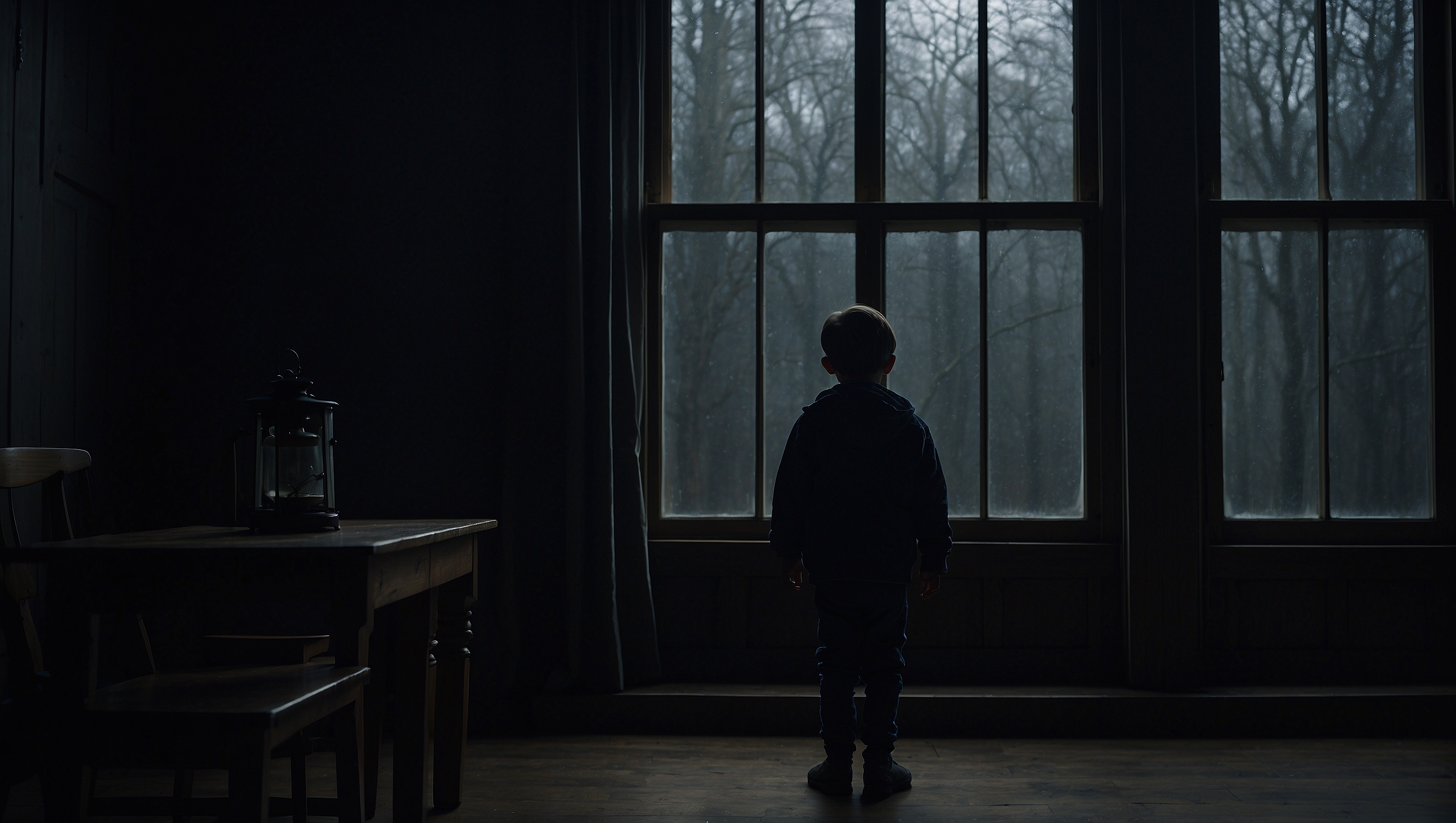
You notice it in small moments first. The way your four-year-old's shoulders tense when they hear your phone ring during dinner. How your eight-year-old starts pacing when you're running late, moving in the same tight circles you make when stress builds. The mirror is so precise it's unsettling — their little bodies reflecting back your internal weather patterns with startling accuracy.
What you're witnessing isn't imitation or conscious learning. It's something far more fundamental: their nervous system downloading yours as the template for how to exist in the world.
The uncomfortable truth is that every time you yell, every moment your stress spills over into sharp words or sudden movements, you're not just having a bad parenting moment. You're teaching their developing brain what normal feels like. Their nervous system, still forming its baseline understanding of safety and threat, is calibrating itself to your emotional frequency. When your stress response activates — heart rate climbing, voice rising, jaw tightening — their system reads this as data about how dangerous the world is. Not through words or explanations, but through the raw information their body receives about your body's state.
This isn't about perfect parenting or never feeling overwhelmed. It's about recognizing that your child's brain is constantly learning from your nervous system state, whether you're conscious of it or not. The way you breathe when frustrated becomes their template for handling disappointment. The tension you carry in your voice when rushed becomes their understanding of how urgency feels. They're not just watching what you do — they're absorbing how you exist, moment by moment, creating neural pathways based on the emotional environment your body creates.
What makes this particularly complex is that most of us are parenting from our own inherited patterns. The anxiety your child is learning might be the same anxiety you learned twenty-five years ago, passed down through generations of nervous systems that never learned how to truly settle. Breaking these cycles requires understanding not just your child's development, but the deeper patterns running through your own system.
The moments we're most triggered reveal exactly what our nervous system is teaching. This became crystal clear to me when I started tracking the patterns I was unconsciously creating.
Explore Here →The Neural Download: How Emotional States Become Inheritance
Your child's brain doesn't distinguish between your stress about work and actual physical danger. When your nervous system shifts into fight-or-flight — whether from a difficult email, traffic, or genuine emergency — their developing neural networks register this activation as information about the world's safety level. The brain's primary job is survival, and a child's system assumes that if their primary caregiver is stressed, there must be something to be stressed about. This isn't conscious reasoning; it's automatic biological programming.
Research in developmental neuroscience shows that children's stress response systems develop in direct relationship to their caregivers' regulation patterns. When you're chronically activated — even at low levels — their baseline shifts upward to match. They don't learn this through observation alone; they absorb it through proximity. Their heart rate variability begins to mirror yours. Their cortisol patterns align with your stress rhythms. They're essentially downloading your nervous system's interpretation of how safe or dangerous life is.
This biological mirroring happens strongest in the first seven years, when a child's brain is forming its fundamental templates for emotional regulation. During this period, their system is incredibly malleable, constantly adjusting based on the emotional environment you create. If your normal state includes underlying tension, hypervigilance, or frequent activation, these become their normal too. They don't know that mom's chronic worry isn't actually about them — their brain interprets your elevated stress as evidence that the world requires constant vigilance.
What's particularly striking is how quickly children adapt to match your regulation level, even when you think you're hiding your stress. Their system reads micro-expressions you're not aware of making, picks up on breathing patterns that shift with anxiety, attunes to muscle tension you carry unconsciously. Their nervous system is constantly asking: "How safe are we?" and finding the answer in your body's state, not your words. This is why telling an anxious child to "calm down" while your own system is activated rarely works — they're responding to your energetic state, not your verbal instruction.
The challenge isn't that you have stress or difficult emotions. The challenge is remaining unconscious of how your internal state becomes their external environment. When you understand this connection, you begin to see parenting not just as managing behavior, but as creating an emotional atmosphere that teaches their system how to exist in the world.
Recognizing how my own unprocessed stress was shaping tiny developing brains changed everything about how I approach my internal work. Some insights just can't be unseen.
Explore Here →
The Yelling Imprint: What Happens in Their Brain
When you yell at your child, their brain doesn't process it as "mom is having a hard day" or "I made a mistake that upset her." Instead, their system interprets it as a threat activation from their primary source of safety. The same neural pathways that would fire if they were facing actual physical danger light up when you raise your voice. Their amygdala — the brain's alarm system — triggers a flood of stress hormones, while their prefrontal cortex, responsible for logical thinking and emotional regulation, goes offline.
But here's what's happening beyond that immediate reaction: their brain is encoding this experience as information about relationships and safety. Each time they experience your activated state, neural pathways strengthen around the idea that love comes with unpredictability, that safety can shift to threat without warning, that they need to be constantly vigilant about other people's emotional states. They're not just experiencing your anger in the moment — they're learning that the people who love them most are also sources of emotional danger.
The developing brain has a negativity bias designed to help children survive — they're wired to pay more attention to threatening experiences than positive ones. This means that one episode of yelling has more neural weight than ten moments of calm connection. Their system remembers and prioritizes the activated states because, from a survival perspective, these are the moments that matter most for their safety assessment. Each yelling incident doesn't just hurt in the moment; it adjusts their baseline expectation of how relationships feel.
Over time, repeated exposure to your stress activation teaches their nervous system to live in a state of hypervigilance. They learn to scan constantly for signs of your emotional shift, walking on eggshells, becoming anxious when you seem even slightly irritated. Their capacity for relaxation and play becomes conditional on your regulation state. They can't settle into genuine calm because their system has learned that safety is temporary and requires constant monitoring of your emotional weather.
This creates what researchers call "emotional parentification" — where children become responsible for managing their parent's emotional state to maintain their own sense of safety. They learn to suppress their own needs, emotions, and authentic responses to keep you regulated. The child who becomes "too good," who stops asking for things, who seems mature beyond their years, might actually be a nervous system that has learned to prioritize your regulation over their own development.
Breaking the Pattern: Regulation as the Foundation
The shift begins with recognizing that your emotional regulation isn't separate from your parenting — it is your parenting. Every moment you choose to pause and breathe before reacting, you're teaching your child's nervous system that safety can be maintained even when things get difficult. When you model staying present in challenging moments, their brain learns that problems don't have to equal panic, that they can remain connected to themselves even when life gets intense.
This doesn't mean never feeling frustrated or overwhelmed. It means developing awareness of your internal state and making conscious choices about how you move through difficult emotions. When you notice your stress building, taking thirty seconds to breathe deeply and soften your jaw sends a completely different message to your child's system than letting that stress overflow into sharp words or sudden movements. Their nervous system reads your conscious regulation as evidence that they're safe, even when things are challenging.
Co-regulation — the process of helping your child find calm through your own regulated state — becomes possible only when you're actually regulated yourself. You can't fake this; children's systems are too attuned to your authentic state. But when you genuinely shift into presence, when your breathing slows and your voice softens even in difficult moments, their nervous system begins to learn a different pattern. They discover that upset feelings don't have to spiral, that connection can be maintained even during conflict, that they can trust the adults in their life to remain steady.
The most profound changes often happen through what seems like small adjustments. Speaking slightly slower when you feel rushed. Softening your face when addressing behavior issues. Taking three conscious breaths before walking into a room where your child is having a difficult moment. These micro-choices create macro-changes in your child's developing sense of safety and their capacity for self-regulation.
What you're really doing is interrupting generational patterns. If your own childhood was marked by unpredictable emotional states, chronic stress, or activated caregivers, choosing regulation breaks a cycle that might have been running in your family for generations. Your conscious choice to stay present and regulated doesn't just impact your child — it begins to heal something in your own nervous system that learned, long ago, that the world was not a safe place to fully relax.
When you yell less frequently, when your stress doesn't automatically become their stress, you create space for your child's authentic personality to emerge. The anxiety that seemed like "just who they are" often begins to ease when their system no longer needs to maintain constant vigilance about your emotional state. They can return to the natural curiosity, playfulness, and resilience that anxiety was masking.
Your regulation becomes their permission to be children — to make mistakes without catastrophic consequences, to feel their own emotions without having to manage yours, to exist in their body without hypervigilance. This is the gift of conscious parenting: not perfection, but presence. Not the absence of difficult emotions, but the modeling of how to move through them while staying connected to yourself and the people you love.
The work isn't about never getting activated. It's about shortening the time between activation and conscious choice, about teaching your child's developing brain that humans can feel intensely and still choose their response. Every time you choose regulation over reaction, you're rewiring not just your own patterns, but offering your child a different blueprint for what's possible.
Breaking cycles that run deeper than behavior requires understanding the nervous system science behind what we're actually passing down. Ready to see what's really happening beneath the surface?
Explore Here →
The pattern your child is absorbing right now — is it one you chose, or one you inherited without knowing it was passed down?